The Rise of PWAs: A New Era of Web Apps
Why PWAs ?
It may not be what everyone expected, but it’s true: PWAs (Progressive Web Apps) were not intended to replace native apps. Let’s take a look at why. While web applications offer several advantages, including low cost, maintenance ease, and cross-platforming, they also have some drawbacks just like everything around us, some drawbacks are limited functionality, performance issues, limited access to device hardware, and dependence on connectivity. And here is where PWAs come in with their unique features to help address some of these drawbacks.
PWAs features
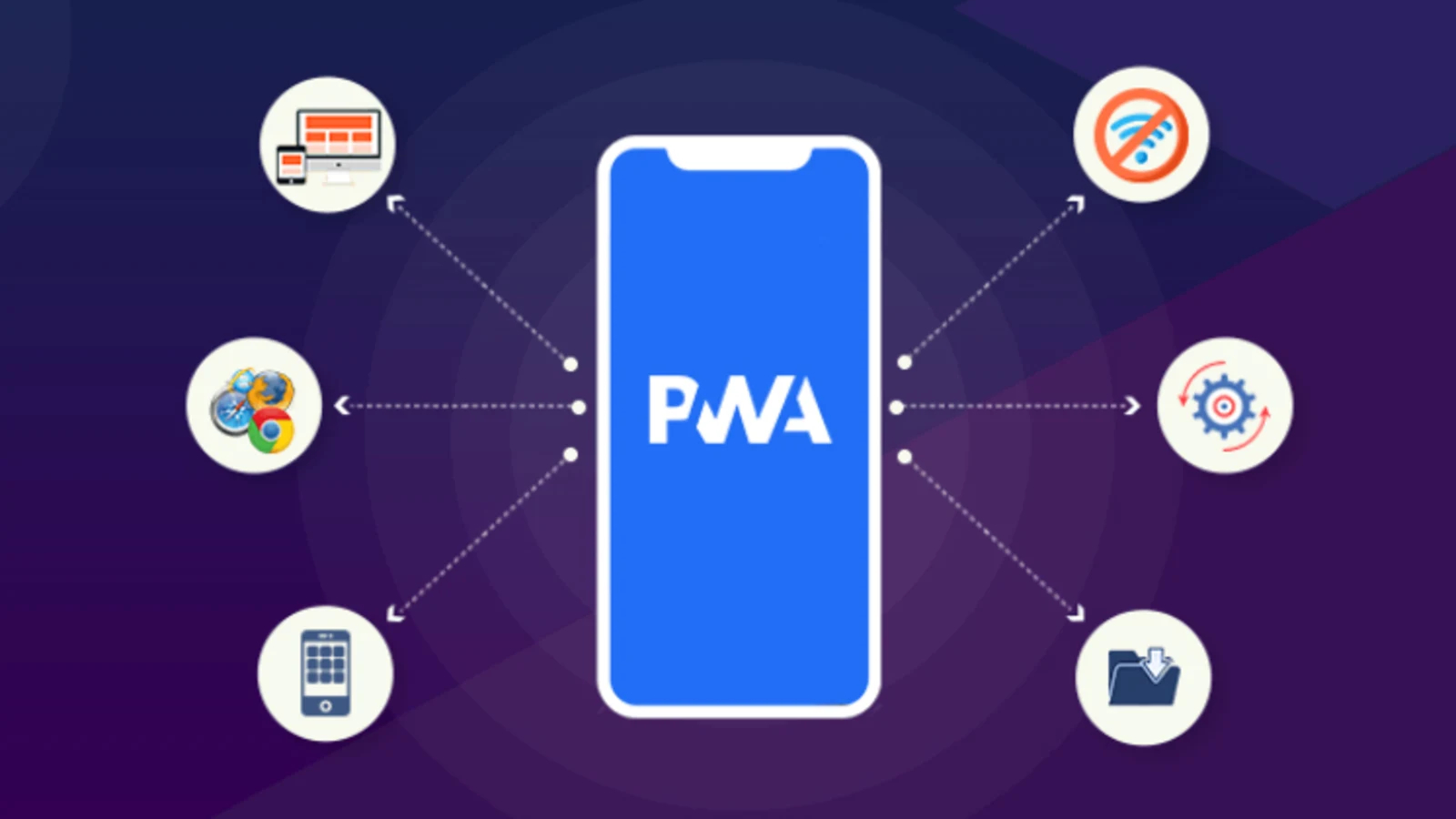
PWAs offer several features, which make them an attractive solution for the web app drawbacks that we discussed earlier.
Offline functionality: PWAs can work even when there is no internet connection by caching data and resources locally on the user’s device.
Cross-platform compatibility: PWAs can work on any device with a modern browser, regardless of the operating system the browser runs on, which makes it an ideal option for small businesses.
Fast and responsive: since PWAs offer the offline functionality feature we discussed above, they run fast, for they don’t require to reach servers each time they’ve been opened.
Easy to update: PWAs can be updated and deployed quickly and easily, without the need for users to download a new version of the app.
App-like experience: In addition to the features mentioned earlier, PWAs also provide an app-like experience by offering capabilities such as push notifications, camera access, and the ability to add the app to the home screen, making it possible to create web apps that feel like native apps.
In conclusion, PWAs are a tool like never before. PWAs are not intended to replace native apps, nor are they overkill. They are a set of features to use in case we need them.